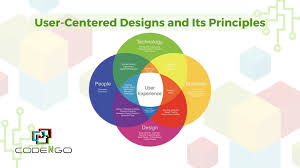

Great products are built around users, not just technology or business goals. User-Centered Design (UCD) is a design philosophy that prioritizes the needs, behaviors, and goals of real people at every stage of product development. By focusing on users, designers create solutions that are both functional and enjoyable.
1. What Is User-Centered Design?
User-Centered Design is an iterative process where designers involve users throughout planning, design, and testing. Instead of assuming what users want, teams actively gather feedback and refine products based on real-world insights.
2. Why UCD Matters
Better Usability – Products become easier to use.
Higher Satisfaction – Designs align with user goals and reduce frustration.
Increased Adoption – People are more likely to embrace intuitive products.
Reduced Costs – Catching issues early prevents expensive redesigns.
3. Core Principles of UCD
1. Focus on Users from the Start
Understand who your users are, their goals, and the problems they face.
2. Involve Users Throughout the Process
Conduct surveys, interviews, and usability testing regularly—not just once.
3. Iterative Design
Design, test, and refine in cycles until the product meets user needs effectively.
4. Clear Requirements
Translate user research into design requirements that guide the project.
5. Holistic Experience
Consider the entire user journey, not just isolated screens or tasks.
4. UCD Process
Research – Identify user needs via interviews, surveys, and observation.
Define – Turn findings into personas, user stories, and requirements.
Design – Create wireframes, prototypes, and user flows.
Evaluate – Test prototypes with real users and adjust designs.
Iterate – Refine continuously until the design works seamlessly.
5. Tools for User-Centered Design
Figma / Sketch – Collaborative prototyping.
Miro – Mapping user journeys.
UserTesting / Maze – Running usability tests.
Personas & Empathy Maps – Summarize user needs and motivations.
6. Examples of UCD in Action
Google Search – Minimal design focused on a single user task: finding information quickly.
Spotify – Personalized playlists built around user preferences.
Duolingo – Gamified learning experience shaped by user engagement studies.
7. Challenges of UCD
Time-Consuming – Research and testing require resources.
Conflicting Needs – Different users may want different things.
Stakeholder Resistance – Business goals sometimes overshadow user priorities.
Conclusion
User-Centered Design is about empathy, iteration, and collaboration. By placing users at the heart of design decisions, businesses build products that people not only use—but love. UCD isn’t just a methodology, it’s a mindset that ensures technology serves humans, not the other way around.