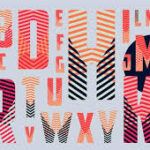

A brand’s visual identity is more than a logo—it’s the entire system of colors, typography, imagery, and design elements that make a business recognizable. A strong visual identity helps companies stand out in crowded markets and builds trust with audiences. Here’s a step-by-step guide on how to create one.
1. Start with Brand Strategy
Before design begins, clarify the brand’s mission, values, and audience.
Who are you speaking to?
What emotions should the brand evoke?
What differentiates you from competitors?
👉 Strategy ensures visuals are aligned with the brand’s story, not just aesthetics.
2. Design a Memorable Logo
The logo is the cornerstone of visual identity. Great logos are:
Simple – Easy to recognize at any size.
Versatile – Works in color, black-and-white, and on different backgrounds.
Timeless – Avoid overly trendy designs that age quickly.
3. Choose a Cohesive Color Palette
Color influences perception. Select a primary palette (2–3 core colors) and a secondary palette (supporting shades).
Use psychology: Blue = trust, Green = growth, Red = energy.
Ensure enough contrast for accessibility.
4. Establish Typography Rules
Typography should reflect brand personality. For example:
A luxury brand may use elegant serifs.
A modern tech company may prefer clean sans-serifs.
Consistency is key—limit fonts to 2–3 families.
5. Define Imagery and Illustration Styles
Decide whether to use photography, custom illustrations, or a mix. Imagery should feel consistent across websites, ads, and packaging.
👉 Example: Airbnb’s photography emphasizes authenticity and community.
6. Create Iconography & Graphic Elements
Custom icons, shapes, or patterns add uniqueness. When used consistently, they strengthen recognition across touchpoints.
7. Build a Design System
A design system or brand style guide documents all visual rules. It includes:
Logo usage
Colors and hex codes
Typography hierarchy
Iconography
Layout grids
👉 This ensures consistency across all platforms.
8. Apply Across All Touchpoints
Your visual identity should appear everywhere—website, social media, packaging, business cards, presentations, and even office spaces. Consistency builds trust.
9. Evolve Without Losing Core Identity
Strong visual identities adapt over time. Brands like Apple and Nike refresh their look periodically but keep core elements intact.
10. Test with Your Audience
Finally, test your identity with real users. Ask:
Is it recognizable?
Does it evoke the intended feeling?
Is it flexible across different mediums?
Conclusion
A strong visual identity is the bridge between a brand and its audience. By carefully designing logos, colors, typography, and systems—and applying them consistently—you create a visual language that builds recognition, trust, and loyalty. In today’s competitive market, a strong identity isn’t optional—it’s essential.