Mastering Adobe InDesign for Layout Design

Adobe InDesign is the industry-leading tool for creating professional layouts. Whether you’re designing magazines, brochures, eBooks, or posters, InDesign gives you precise control over typography, grids, and page organization. This guide introduces beginners to the essentials of layout design using InDesign.


1. Why Use InDesign?

  • Perfect for Multi-Page Projects – Unlike Photoshop or Illustrator, InDesign is built for documents with multiple pages.

  • Typography Control – Advanced text formatting, styles, and flow options.

  • Professional Output – Industry-standard for print and digital publishing.

  • Integration – Works seamlessly with Photoshop (images) and Illustrator (graphics).


2. Understanding the Workspace

  • Pages Panel – Manage and navigate multiple pages.

  • Tools Panel – Selection, text, shape, and frame tools.

  • Properties Panel – Shows context-specific options.

  • Links Panel – Manage placed images and assets.

  • Master Pages – Apply consistent elements (e.g., headers, footers) across multiple pages.


3. Key Tools and Concepts

  • Frames – Containers for text and images. (Text Frame vs. Graphic Frame)

  • Text Tool (T) – Create and edit text boxes.

  • Selection Tool (V) – Move and resize frames.

  • Paragraph & Character Styles – Save and reuse text formatting.

  • Grids & Guides – Maintain alignment and consistency.


4. Setting Up a New Document

  1. File > New > Document – Choose print or digital.

  2. Page Size – Standard A4, Letter, or custom dimensions.

  3. Margins & Bleed – Essential for professional printing.

  4. Columns – Helps structure text for readability.


5. Workflow Example: Creating a Magazine Layout

  1. Set Up Master Pages – Add page numbers, headers, and footers.

  2. Place Images – File > Place (Ctrl/Cmd + D). Use frames for flexible positioning.

  3. Add Text – Import copy and style it with Paragraph/Character Styles.

  4. Apply Grids – Ensure a balanced, clean layout.

  5. Export – File > Export. Save as PDF for print or EPUB for digital.


6. Tips for Beginners

  • Use Paragraph Styles to maintain consistency.

  • Avoid too many fonts—stick to 2–3 max.

  • Use high-resolution images (300 DPI) for print projects.

  • Learn about preflight checks to catch errors before exporting.


7. Advanced Features to Explore

  • Interactive PDFs – Add links, buttons, and media for digital outputs.

  • Data Merge – Automate layouts for catalogs or directories.

  • Color Management – Ensure accurate print colors.


Conclusion

Adobe InDesign is the go-to tool for professional layout design. By understanding frames, master pages, and typography control, beginners can create clean, structured, and professional designs. Whether for print or digital publishing, InDesign ensures precision and creativity in every project.
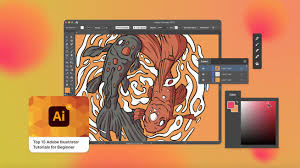

Illustrator for Beginners: Getting Started with Vector Design

Adobe Illustrator is the industry standard for vector-based design. Unlike Photoshop, which focuses on raster images (pixels), Illustrator allows designers to create scalable graphics that never lose quality. This makes it perfect for logos, icons, typography, and illustrations. If you’re new to Illustrator, this guide will help you understand the basics of vector design.


1. Why Use Illustrator?

  • Scalable Graphics – Designs remain sharp at any size, from business cards to billboards.

  • Precision – Vector tools allow exact control over shapes and lines.

  • Versatility – Great for branding, UI design, typography, and illustrations.

  • Integration – Works seamlessly with Photoshop, InDesign, and After Effects.


2. Understanding Vectors vs. Rasters

  • Raster Images – Made of pixels (e.g., JPEG, PNG), can become blurry when enlarged.

  • Vector Graphics – Made of mathematical paths, remain crisp at any size (e.g., SVG, EPS).

Illustrator works primarily with vectors, making it ideal for logo and icon design.


3. The Illustrator Workspace

  • Toolbar – Tools for drawing, selecting, and editing objects.

  • Properties Panel – Shows options for the currently selected tool or object.

  • Layers Panel – Organizes artwork into layers, similar to Photoshop.

  • Artboards – Can create multiple canvases in one document (useful for logo variations).


4. Key Tools for Beginners

  • Selection Tool (V) – Selects entire objects.

  • Direct Selection Tool (A) – Selects anchor points and paths for precise edits.

  • Pen Tool (P) – Create custom shapes with anchor points and curves.

  • Shape Tools (M, L) – Quickly draw rectangles, circles, polygons.

  • Type Tool (T) – Add text with full typographic control.

  • Eyedropper Tool (I) – Sample and apply colors.


5. Essential Concepts

  • Anchor Points & Paths – The foundation of vector graphics.

  • Stroke vs. Fill – Stroke is the outline; fill is the interior color.

  • Grouping (Ctrl/Cmd + G) – Combine multiple objects into one.

  • Layers – Organize artwork for complex projects.


6. Simple Workflow for Beginners

  1. Create a New Document – File > New. Choose an artboard size.

  2. Draw Shapes – Use rectangles, circles, and polygons to build your design.

  3. Use the Pen Tool – Create custom shapes with curves and lines.

  4. Add Color – Apply fills, strokes, and gradients.

  5. Add Text – Use the Type Tool to add and style text.

  6. Export Your Work – File > Export > Save As (SVG, PDF, PNG, etc.).


7. Tips for Beginners

  • Use Smart Guides (Ctrl/Cmd + U) for alignment help.

  • Learn the Pen Tool—it’s tricky at first but powerful.

  • Keep designs simple; start with basic shapes.

  • Explore Illustrator templates for inspiration.


8. Next Steps

After mastering the basics, move on to:

  • Creating logos and branding systems.

  • Designing icons and UI assets.

  • Advanced typography design.

  • Using Pathfinder and Shape Builder tools for complex shapes.


Conclusion

Adobe Illustrator is an essential tool for any designer interested in vector graphics. By learning the basics of the workspace, tools, and vector concepts, beginners can quickly start creating professional designs. With practice, Illustrator becomes a powerful tool for bringing ideas to life—scalable, sharp, and endlessly creative.

Beginner’s Guide to Adobe Photoshop for Designers

Adobe Photoshop is one of the most powerful and widely used design tools in the world. From photo editing to digital painting, web design, and branding, Photoshop is a versatile software every designer should know. This beginner’s guide will walk through the basics to help new designers get started.


1. Why Learn Photoshop?

  • Versatility – Suitable for photo editing, digital art, web graphics, and more.

  • Industry Standard – Used by agencies, freelancers, and professionals worldwide.

  • Integration – Works seamlessly with Adobe Illustrator, InDesign, and other tools.


2. Getting Started with Photoshop

Workspace Overview

  • Toolbar – Contains essential tools like Move, Brush, Eraser, and Selection tools.

  • Layers Panel – The foundation of Photoshop; each element sits on its own layer.

  • Options Bar – Displays settings for the selected tool.

  • Canvas – Where you create and edit your design.


3. Key Tools for Beginners

  • Move Tool (V) – Move objects and layers around.

  • Brush Tool (B) – Paint with different styles and sizes.

  • Eraser Tool (E) – Remove parts of a layer.

  • Marquee & Lasso Tools (M/L) – Make selections of areas to edit.

  • Text Tool (T) – Add and edit text.

  • Gradient Tool (G) – Create smooth color blends.


4. Understanding Layers

  • What are Layers? – Think of them as transparent sheets stacked on top of each other.

  • Adjustment Layers – Non-destructive edits like brightness, contrast, or color balance.

  • Layer Masks – Hide or reveal parts of a layer without deleting them.

  • Smart Objects – Allow resizing and editing without losing quality.


5. Basic Editing Steps

  1. Open Your Image → File > Open.

  2. Crop & Straighten → Use the Crop Tool (C).

  3. Adjust Colors → Use Adjustment Layers (Hue/Saturation, Levels).

  4. Retouch → Spot Healing Brush (J) to remove blemishes.

  5. Add Text/Graphics → Use the Text Tool and shape tools.

  6. Export Your Work → File > Export > Save for Web.


6. Tips for Beginners

  • Learn keyboard shortcuts to speed up your workflow.

  • Always work with non-destructive methods (use adjustment layers and masks).

  • Organize layers with names and groups.

  • Experiment with blending modes for creative effects.


7. Where to Go Next

Once you’ve mastered the basics, explore advanced features like:

  • Photo manipulation.

  • Digital painting.

  • Mockup creation.

  • Web and UI design.


Conclusion

Adobe Photoshop can feel overwhelming at first, but learning the basics—tools, layers, and simple edits—opens up endless creative possibilities. With practice, Photoshop becomes a natural extension of your creativity, whether you’re working on branding, web design, or digital art.

Productivity Apps for Freelance Designers

Freelance designers wear many hats—they are not only creators but also project managers, accountants, and marketers. With so many responsibilities, staying productive can be a challenge. Thankfully, there are plenty of productivity apps tailored to help freelancers streamline their workflow, manage time, and balance creativity with business tasks.


1. Why Freelancers Need Productivity Apps

  • Organization – Manage multiple clients and projects simultaneously.

  • Efficiency – Save time on repetitive tasks.

  • Professionalism – Deliver work on time with clear communication.

  • Work-Life Balance – Prevent burnout by managing schedules better.


2. Best Productivity Apps for Freelance Designers

Trello / Asana

  • Why: Keep projects organized with task boards and deadlines.

  • Best for: Managing multiple client projects without losing track.


Toggl Track

  • Why: Simple time tracking for accurate billing.

  • Best for: Freelancers who bill hourly or want to understand their productivity.


Slack

  • Why: Centralized communication with clients and collaborators.

  • Best for: Freelancers working with remote teams.


FreshBooks

  • Why: Accounting and invoicing software.

  • Best for: Designers who want to handle payments and expenses easily.


Notion

  • Why: Flexible workspace for notes, databases, and tasks.

  • Best for: Freelancers who want an all-in-one hub for projects and knowledge.


Google Drive / Dropbox

  • Why: Cloud storage for file sharing and collaboration.

  • Best for: Safely storing and delivering design files to clients.


Calendly

  • Why: Simplifies scheduling client meetings.

  • Best for: Freelancers tired of back-and-forth emails.


Canva (Pro)

  • Why: Quick design tool for non-intensive tasks.

  • Best for: Freelancers who need to create quick graphics for social or clients.


3. Tips for Freelancers Using Productivity Apps

  • Create a Central Hub – Use one app like Notion to keep everything connected.

  • Automate Where Possible – Link apps with Zapier to save time.

  • Track Time & Income – Combine Toggl with FreshBooks for seamless billing.

  • Separate Work & Personal – Use different calendars or tools to avoid burnout.


4. Benefits of Using Productivity Apps

  • Increased focus on design work rather than admin tasks.

  • Professional image with organized workflows.

  • Better client communication and satisfaction.

  • More free time by working smarter, not harder.


Conclusion

Freelance design is both rewarding and demanding. Productivity apps like Trello, Toggl, Slack, FreshBooks, Notion, and Google Drive help freelancers stay on top of projects, finances, and client communication. By integrating these tools into their daily workflow, freelance designers can spend less time on admin and more time doing what they love—designing.

Mind Mapping Tools for Designers

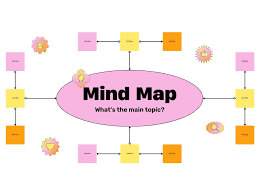
Design often begins with abstract ideas—concepts, moods, and inspirations that are not yet structured. Mind mapping helps turn these raw thoughts into organized visuals, making it easier to plan projects, brainstorm creatively, and communicate ideas. For designers, mind mapping tools are essential to capture creativity and connect ideas visually.


1. Why Designers Benefit from Mind Mapping

  • Visual Thinking – Organize complex ideas in a way that sparks creativity.

  • Brainstorming – Explore multiple design directions quickly.

  • Project Planning – Map out workflows from concept to delivery.

  • Collaboration – Share visual maps with teams and clients for clarity.


2. Best Mind Mapping Tools for Designers

MindMeister

  • Why: A leading online mind mapping tool.

  • Features: Real-time collaboration, templates, integrations with task tools.

  • Best for: Teams brainstorming together online.


XMind

  • Why: Powerful, professional-grade mind mapping.

  • Features: Multiple diagram styles, brainstorming mode, presentation features.

  • Best for: Designers who need advanced visual planning.


Miro

  • Why: More than a whiteboard, great for brainstorming visually.

  • Features: Sticky notes, diagrams, collaborative boards.

  • Best for: Remote design teams.


Coggle

  • Why: Simple, browser-based mind mapping.

  • Features: Colorful branches, unlimited diagrams (paid), easy sharing.

  • Best for: Freelancers or beginners who want lightweight mind maps.


Lucidchart

  • Why: Combines flowcharts, diagrams, and mind maps.

  • Features: Professional templates, integrations with Google Workspace.

  • Best for: Designers working on structured workflows.


3. How to Use Mind Maps in Design

  • Brainstorming Concepts – Start with a central theme and branch out ideas.

  • Organizing Inspiration – Collect references, color palettes, and typography ideas.

  • Mapping User Journeys – Visualize how users interact with a product.

  • Project Breakdown – Divide large projects into manageable parts.


4. Benefits of Mind Mapping Tools

  • Encourages creativity by showing relationships between ideas.

  • Simplifies complex concepts for team or client presentations.

  • Saves time during brainstorming sessions.

  • Helps designers see the “big picture” before diving into details.


Conclusion

Mind mapping is a powerful way for designers to capture, expand, and structure ideas visually. Tools like MindMeister, XMind, Miro, Coggle, and Lucidchart make brainstorming and project planning more engaging and efficient. By turning thoughts into clear visual maps, designers can unlock creativity and communicate their vision with clarity.

Focus and Distraction-Blocking Tools for Designers

Design requires deep focus and creativity. Yet, distractions—social media, notifications, or endless emails—can easily break concentration. For designers, staying in the “creative flow” is essential to produce high-quality work. That’s why focus and distraction-blocking tools are powerful allies. They help minimize interruptions, improve productivity, and create space for deep creative thinking.


1. Why Designers Need Focus Tools

  • Maintain Creative Flow – Avoid losing ideas when distracted.

  • Boost Productivity – Get more done in less time.

  • Reduce Stress – Focused work feels less chaotic.

  • Improve Quality – Deep work leads to better design outcomes.


2. Best Focus and Distraction-Blocking Tools

Freedom

  • Why: Blocks distracting apps and websites across devices.

  • Features: Custom block lists, recurring focus sessions.

  • Best for: Designers who want total digital focus.


Cold Turkey Blocker

  • Why: Extremely powerful website and app blocker.

  • Features: Lock mode, scheduled blocks, password protection.

  • Best for: Designers who need strict discipline.


Forest

  • Why: Turns focus into a game.

  • Features: Plant virtual trees that grow when you stay focused.

  • Best for: Designers who enjoy motivation through gamification.


Focus Booster

  • Why: Based on the Pomodoro Technique.

  • Features: Work in timed intervals with breaks, simple interface.

  • Best for: Designers who thrive on structured time management.


RescueTime

  • Why: Tracks digital activity to identify distractions.

  • Features: Productivity reports, focus sessions, goal tracking.

  • Best for: Designers who want insights into their habits.


3. Tips for Staying Focused

  • Use Pomodoro Sessions – Work in 25–50 minute bursts with short breaks.

  • Turn Off Notifications – Silence devices during creative sessions.

  • Designate Work Hours – Create a routine that signals focus time.

  • Combine Tools – Use RescueTime to identify habits, Freedom to block distractions.


4. Benefits of Focus Tools

  • Achieve more in less time.

  • Protect creativity from interruptions.

  • Build healthier work routines.

  • Deliver higher-quality designs.


Conclusion

Distractions are the enemy of creativity. Focus tools like Freedom, Cold Turkey, Forest, Focus Booster, and RescueTime give designers the structure and discipline to stay in the zone. By blocking out noise and fostering deep work, these tools empower designers to create their best work consistently.

Note-Taking Tools for Designers

Design ideas can strike anywhere—during a client meeting, on the train, or while browsing online. Without a reliable note-taking system, those ideas risk being forgotten. For designers, note-taking tools are not just for jotting down thoughts—they also help organize project requirements, keep track of feedback, and store inspiration.


1. Why Designers Need Note-Taking Tools

  • Capture Ideas Quickly – Sketch or write down thoughts before they’re lost.

  • Organize Feedback – Store client comments in one place.

  • Track Inspiration – Save references, images, or links for future projects.

  • Enhance Collaboration – Share notes and brainstorms with teammates.


2. Best Note-Taking Tools for Designers

Notion

  • Why: A flexible all-in-one workspace.

  • Features: Databases, Kanban boards, rich text, and media embedding.

  • Best for: Designers who want structured, customizable notes.


Evernote

  • Why: One of the most popular note-taking apps.

  • Features: Web clipping, notebooks, tagging, and cross-device sync.

  • Best for: Designers who gather lots of references from the web.


OneNote (Microsoft)

  • Why: Digital notebook with sketching support.

  • Features: Hand-drawn notes, multimedia integration, easy search.

  • Best for: Designers who prefer freeform note-taking.


Apple Notes / Google Keep

  • Why: Simple, fast, and synced across devices.

  • Features: Checklists, voice notes, quick sketches.

  • Best for: Designers who need a lightweight note app.


Milanote

  • Why: Built for creatives, with a visual approach to notes.

  • Features: Drag-and-drop boards, moodboards, file attachments.

  • Best for: Designers working with visual inspiration and brainstorming.


3. Tips for Effective Note-Taking

  • Use Tags & Categories – Keep notes searchable.

  • Save Visuals – Screenshots, images, and sketches help capture design inspiration.

  • Sync Across Devices – Access notes on phone, tablet, and desktop.

  • Review Regularly – Revisit notes to refine ideas into actionable designs.


4. Benefits of Good Note-Taking Habits

  • Keeps projects organized.

  • Ensures no client request is forgotten.

  • Encourages creativity through idea capture.

  • Provides a library of inspiration for future projects.


Conclusion

For designers, ideas are the most valuable resource. With tools like Notion, Evernote, OneNote, Milanote, and simple apps like Apple Notes, capturing and organizing ideas has never been easier. A strong note-taking system ensures creativity is never wasted and that inspiration is always just a click away.

Automation Tools for Designers

Design work is creative, but many parts of the workflow are repetitive—resizing images, exporting assets, renaming files, or moving documents between folders. These tasks eat up valuable time that could be spent on actual design. That’s why automation tools are game-changers for designers. They reduce repetitive tasks, speed up workflows, and let you focus on creativity.


1. Why Designers Should Use Automation

  • Save Time – Automate tasks like file exports and renaming.

  • Reduce Errors – Less manual work means fewer mistakes.

  • Increase Productivity – Spend more time designing, less time on admin work.

  • Consistency – Ensure tasks like formatting or asset delivery are always accurate.


2. Best Automation Tools for Designers

Zapier

  • Why: Connects thousands of apps to automate workflows.

  • Features: Move files automatically, send notifications, sync updates across tools.

  • Best for: Designers juggling multiple platforms (e.g., Google Drive + Slack + Trello).


Automator (Mac) & Power Automate (Windows)

  • Why: Built-in system tools to create custom automation.

  • Features: Batch renaming files, moving assets, or setting design file workflows.

  • Best for: Designers who want simple desktop automation.


Alfred (Mac)

  • Why: A productivity app with powerful shortcuts.

  • Features: Custom hotkeys, snippets, and workflows.

  • Best for: Mac users looking to speed up repetitive tasks.


Canva Magic Resize & Adobe Actions

  • Why: Automates repetitive design adjustments.

  • Features: Resize graphics for different platforms instantly (social media, print, etc.).

  • Best for: Designers creating multi-platform assets.


Integromat (Make)

  • Why: Advanced automation for creative professionals.

  • Features: Complex workflows, file handling, API integrations.

  • Best for: Tech-savvy designers who want custom automation pipelines.


3. Common Automation Ideas for Designers

  • Auto-resize social media graphics into multiple formats.

  • Auto-save exported design files to cloud storage.

  • Rename files automatically with project names + dates.

  • Send clients automated notifications when files are ready.

  • Back up design files daily to Dropbox or Google Drive.


4. Benefits of Automation in Design

  • Less Repetition – Designers avoid boring tasks.

  • Faster Delivery – Projects move quicker with automated steps.

  • Peace of Mind – Backups and workflows run in the background.

  • More Creativity – More energy for brainstorming and design work.


Conclusion

Automation is not about replacing creativity—it’s about protecting it. By using tools like Zapier, Alfred, Canva Magic Resize, Adobe Actions, and Integromat, designers can eliminate repetitive tasks and free up more time for design thinking. The less time you spend on admin work, the more you can focus on producing outstanding creative work.

File Management Tools for Designers

Design projects generate a huge number of files—wireframes, mockups, source files, client revisions, exports, and more. Without proper file management, it’s easy to lose track of versions, misplace assets, or waste time searching for the right document. That’s where file management tools come in. They help designers organize, store, and share files efficiently.


1. Why File Management Is Crucial

  • Organization – Keep projects tidy and easy to navigate.

  • Collaboration – Share assets with clients or team members seamlessly.

  • Version Control – Avoid confusion over multiple file versions.

  • Security – Protect valuable design files from data loss.


2. Best File Management Tools for Designers

Dropbox

  • Why: Reliable cloud storage with simple sharing options.

  • Features: File sync across devices, folder sharing, version history.

  • Best for: Freelancers and small teams.


Google Drive

  • Why: Easy to use and integrates with Google Workspace.

  • Features: Real-time collaboration, file sharing, 15GB free storage.

  • Best for: Teams already using Google Docs and Sheets.


pCloud

  • Why: Offers lifetime storage plans for long-term file management.

  • Features: Secure cloud storage, file encryption, easy sharing.

  • Best for: Designers who want a one-time payment solution.


Adobe Creative Cloud Libraries

  • Why: Designed specifically for creatives.

  • Features: Asset libraries for colors, graphics, and fonts synced across Adobe apps.

  • Best for: Designers working within the Adobe ecosystem.


WeTransfer

  • Why: Simple tool for sending large files.

  • Features: Free transfers up to 2GB, paid accounts for larger storage.

  • Best for: Sending design files to clients quickly.


3. Tips for File Organization

  • Create Clear Folder Structures – Use categories like “Wireframes,” “Mockups,” and “Final.”

  • Use Consistent Naming Conventions – e.g., ProjectName_Version_Date.psd.

  • Leverage Version Control – Avoid clutter by using tools that track changes.

  • Backup Regularly – Keep a copy on cloud storage and an external drive.


4. Benefits of Good File Management

  • Saves time searching for files.

  • Prevents lost work during revisions.

  • Keeps clients happy with organized deliveries.

  • Protects against accidental deletions or crashes.


Conclusion

File management is the backbone of a smooth design workflow. Tools like Dropbox, Google Drive, pCloud, Adobe Creative Cloud Libraries, and WeTransfer help designers store, organize, and share files effortlessly. By combining good tools with smart organization habits, designers can ensure their files are always accessible, secure, and ready when needed.

Best Collaboration Tools for Designers

Design is rarely a solo journey. Whether working with other designers, developers, or clients, collaboration is essential. Smooth communication and feedback loops can save time, prevent misunderstandings, and improve the final product. With the right tools, designers can share ideas, get feedback, and work together seamlessly.


1. Why Collaboration Tools Matter for Designers

  • Real-Time Feedback – Avoid endless email chains by commenting directly on designs.

  • Transparency – Keep everyone aligned on progress and changes.

  • Efficiency – Reduce miscommunication and duplicated work.

  • Client Involvement – Easy ways for clients to review and approve designs.


2. Best Collaboration Tools for Designers

Figma

  • Why: Cloud-based design tool for real-time collaboration.

  • Features: Shared design files, live commenting, version history.

  • Best for: Teams and freelancers who want seamless design collaboration.


Miro

  • Why: A digital whiteboard for brainstorming and planning.

  • Features: Sticky notes, diagrams, mind maps, and templates.

  • Best for: Remote teams needing a creative workshop space.


Slack

  • Why: A central hub for team communication.

  • Features: Channels for projects, file sharing, integrations with Figma, Trello, and Google Drive.

  • Best for: Design teams who want quick, organized communication.


InVision

  • Why: Prototyping and feedback tool.

  • Features: Interactive prototypes, comment threads, design handoff.

  • Best for: Designers presenting clickable mockups to stakeholders.


Google Workspace (Docs, Sheets, Drive)

  • Why: Easy collaboration on documents and storage.

  • Features: Real-time editing, file sharing, cloud storage.

  • Best for: Teams who need a simple, universal collaboration suite.


3. Choosing the Right Tool

  • Design-Heavy Teams → Figma, InVision.

  • Brainstorming Sessions → Miro.

  • Communication & Updates → Slack.

  • Cross-Functional Teams → Google Workspace.


4. Tips for Better Collaboration

  • Set Clear Roles – Define who is responsible for what.

  • Centralize Communication – Avoid scattering updates across multiple channels.

  • Encourage Feedback Early – Catch issues before designs are finalized.

  • Use Version Control – Prevent overwriting each other’s work.


5. Benefits of Collaboration Tools

  • Faster approvals from clients.

  • Stronger alignment between designers and developers.

  • More creativity through collective brainstorming.

  • Less frustration and fewer miscommunications.


Conclusion

Great design doesn’t happen in isolation. Collaboration tools like Figma, Miro, Slack, InVision, and Google Workspace help designers work more efficiently and creatively with others. The right tool ensures smoother communication, faster iterations, and ultimately, better design outcomes.